







Lake Musical Fountain
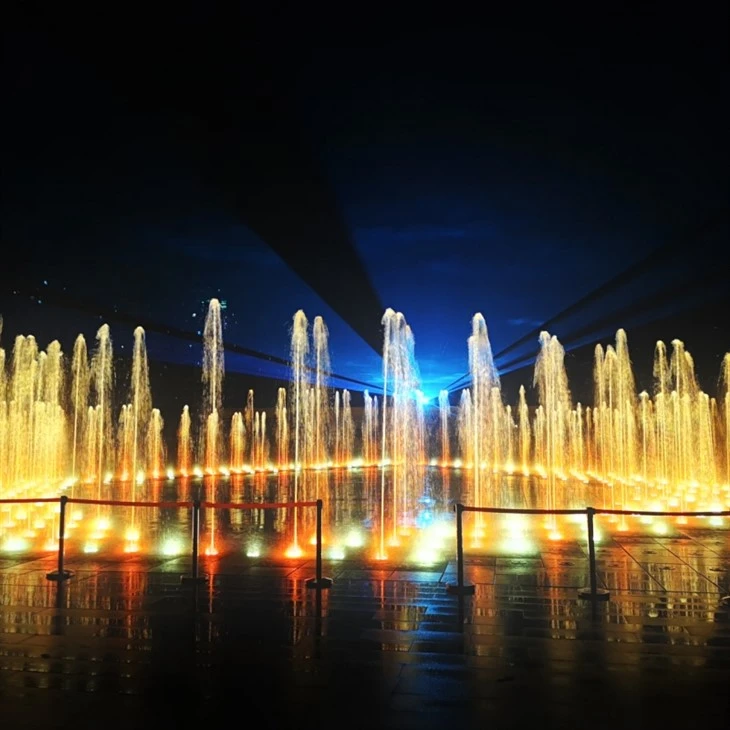
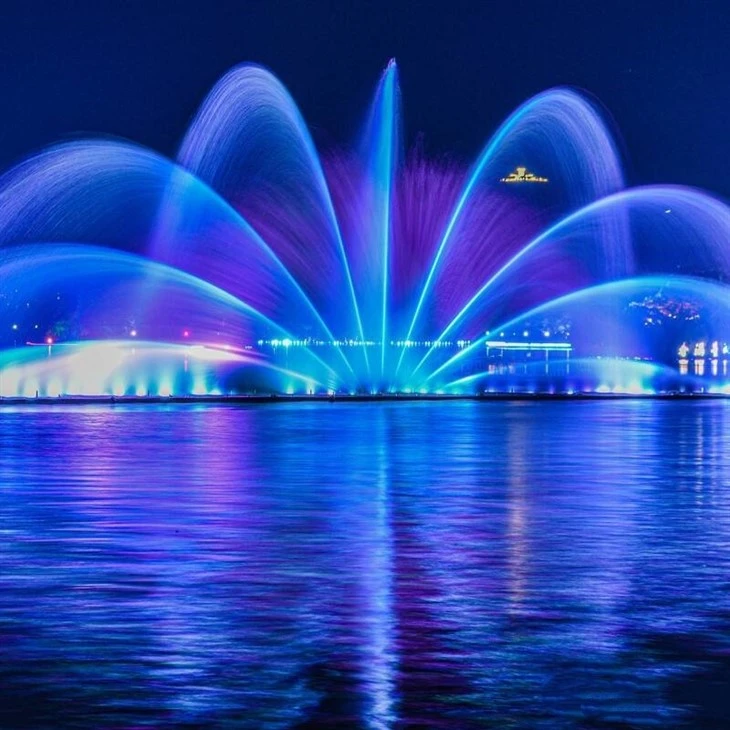
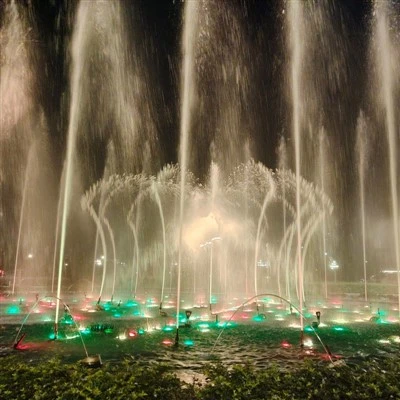
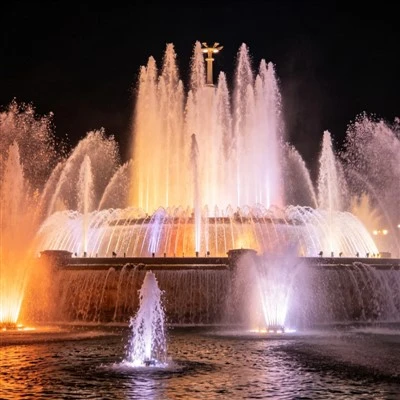
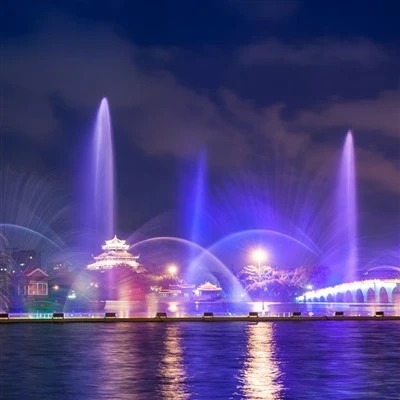
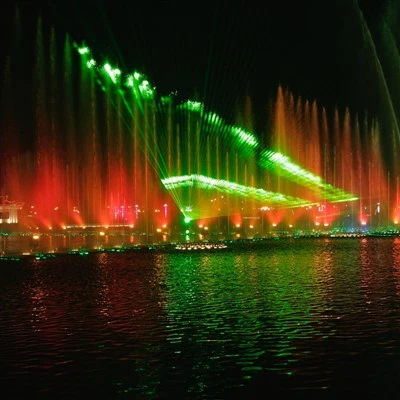
A lake-based musical fountain is a comprehensive landscape feature that combines water art with musical performances. Through an electronic control system, it synchronizes the height and patterns of the water jets with the music, complemented by multicolored or monochromatic lighting effects to create a dual audiovisual experience. The core system consists of stainless steel or copper nozzles, water pumps, lighting systems, and control units, typically with a power rating of 1,200W or higher. Water jet patterns can be programmed to vary (e.g., vertical jets, oscillating jets, cascading jets, etc.). Installation requires on-site work by a professional team, involving the laying of underwater piping, waterproofing of electrical circuits, and debugging of the control system. The lake must have a depth of at least 1.5 meters to prevent pump damage from dry running.
Core Design Elements of Lake Music Fountains
Integration of the Fountain with the Lake Environment
The design must consider the lake's size, water depth, and surrounding landscape layout. Smaller lakes are suitable for compact fountain arrays, while larger lakes can accommodate multi-tiered fountain combinations, such as a central main jet paired with a surrounding water curtain.
Synchronization of Music and Water Patterns
Programming controls the fountain's height and lighting colors to synchronize with the rhythm of the music. For example, energetic music can be paired with towering water columns, while gentle melodies can be paired with fan-shaped or mist-like water patterns to enhance the audiovisual experience.
Lighting System Design
Combine LED underwater lights with shore-side spotlights to avoid glare. Nighttime lighting should complement the reflections on the lake surface; cool tones (blue, white) are often used to convey a sense of technology, while warm tones (yellow, orange) create a cozy atmosphere.
Features and Advantages of Lake-Based Musical Fountains

1. Exceptionally striking visual impact: The open expanse of the lake makes it ideal for constructing large-scale fountains with ultra-high jets, enabling a grand scale and spectacular water patterns that are difficult to achieve with dry-land fountains in river channels or plazas.
2. Flexible Installation Methods: There are primarily three installation types:
(1) Floating Type: The fountain equipment is installed on a floating platform (floating boxes/buoys) and secured with anchor chains. It automatically adapts to water level changes, does not interfere with flood discharge, and is quick to install, making it the preferred solution for most large bodies of water such as lakes and reservoirs.
(2) Retractable: During non-performance periods, the fountain platform can be lowered below the water surface to preserve the lake's aesthetic appearance, and raised again when a performance is required.
(3) Fixed-base: The equipment is secured by pouring a concrete foundation into the lake bed. This method offers extremely high stability and is minimally affected by wind and waves; however, it is costly and complex to construct, making it suitable only for bodies of water with stable water levels and favorable geological conditions.
3. Excellent Ecological Benefits: The operation of the fountain increases water circulation, providing a certain degree of aeration and oxygenation, which helps improve local water quality.
4. High Landscape Integration: Fountains can blend seamlessly with lake islands, lakeside viewing platforms, and even the city skyline, creating a multi-layered, three-dimensional visual effect and becoming a city landmark.
The entire fountain system operates using industrial control computers and a dedicated software platform. Operators pre-program performance scripts, digitally mapping water patterns, lighting scenes, and music timelines. During live performances, sensors monitor environmental parameters such as wind speed and water temperature in real time, automatically adjusting spray height and lighting intensity to ensure safety and stability. Wireless communication technology enables data exchange between the control center and devices along the lake shore, achieving millisecond-level synchronization accuracy.

The construction of lake-surface musical fountains emphasizes harmony with the natural environment. The base design avoids damaging the lake bed ecosystem and employs a removable structure to minimize the need for specialized modifications. Performances are typically scheduled from late afternoon into the evening to ensure optimal lighting effects while avoiding peak daytime bird activity. Water is usually drawn directly from the lake, recirculated, and filtered before being returned to the lake to prevent water waste. The use of low-noise equipment and directional speakers effectively controls the range of sound propagation, reducing the impact on surrounding wildlife.
Fountain systems often incorporate interactive features. Through on-site sound capture devices, the fountains can adjust performance intensity in real time in response to audience cheers; some systems support song requests, allowing the public to participate in program planning. Viewing areas are divided into close-up experience zones and distant panoramic viewing platforms based on viewing distance, catering to different preferences. Performance themes change with the seasons; for example, spring features light, cheerful melodies paired with gentle water patterns, while winter uses warm lighting to counteract the perception of cold.
Hot Tags: lake musical fountain, China lake musical fountain manufacturers, factory
Previous
Dry Musical FountainYou Might Also Like
Send Inquiry