







Scenic Fountain
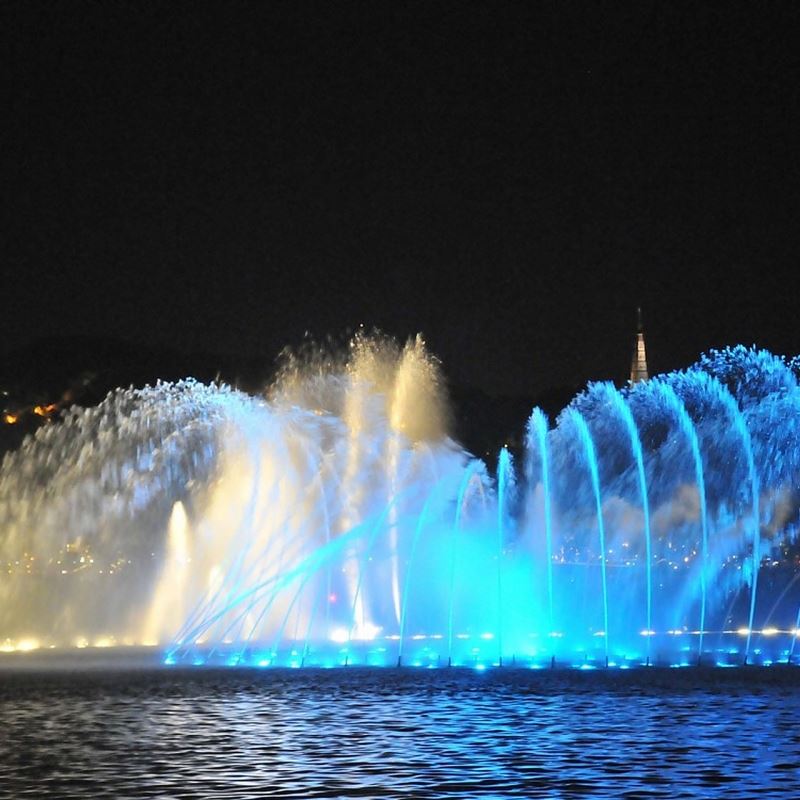
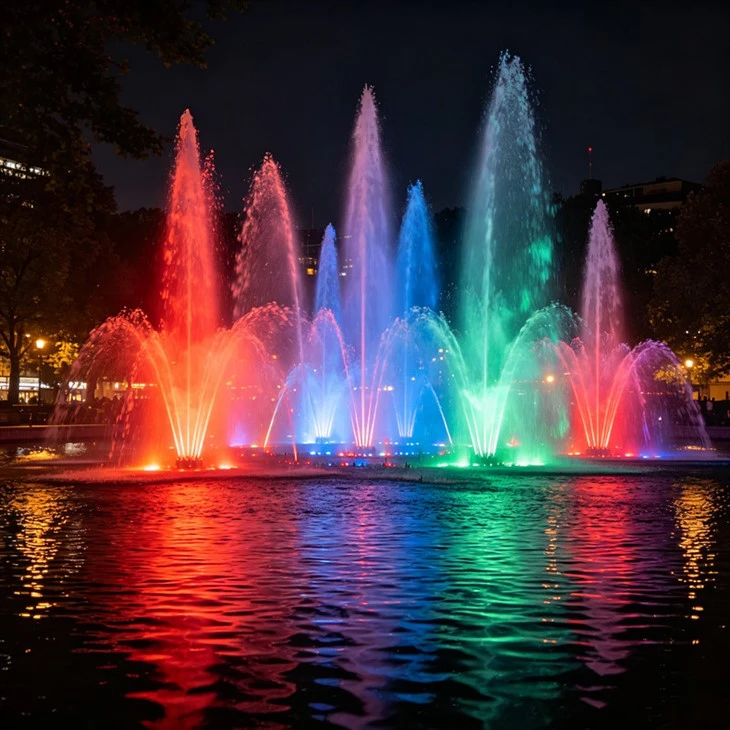
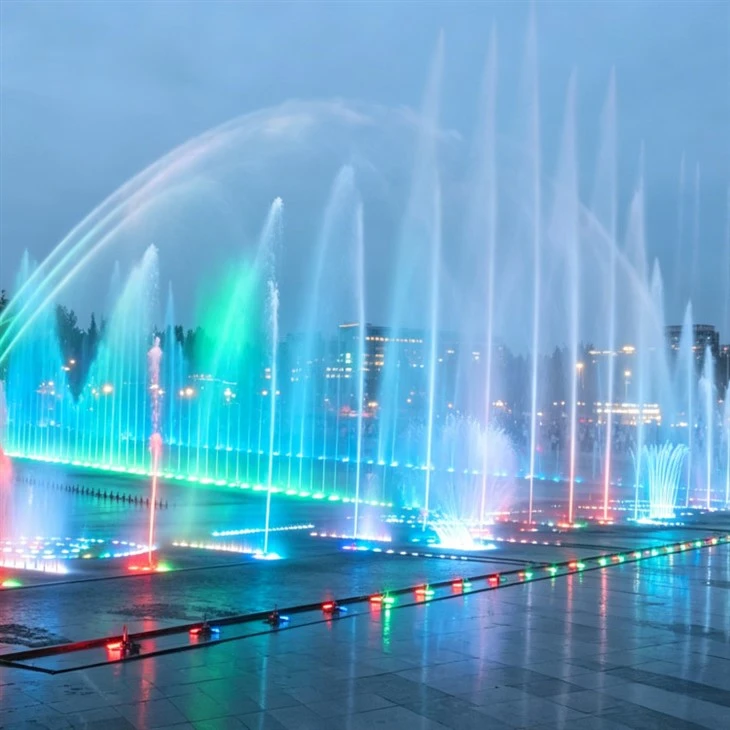
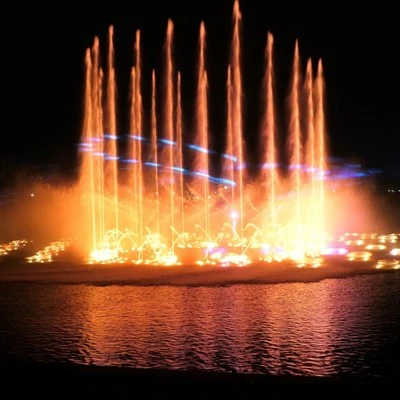
Landscape fountains are water features specifically designed and constructed to enhance the aesthetic appeal of natural or man-made landscapes. They are widely used in gardens, parks, plazas, and tourist resorts. As a vital component of modern landscape engineering, landscape fountains integrate multiple disciplines-including water feature art, engineering technology, lighting design, and environmental psychology-to create unique functional and aesthetic characteristics.
From environmental assessment to design implementation, and from construction integration to long-term operation and maintenance, every step of water feature art requires precise technical coordination. It is not merely about aesthetic presentation; it also relies on hydraulic calculations, equipment selection, and system coordination to ensure that this dynamic art continues to flourish within the physical landscape.

In the initial phase of a water feature project, the focus is not on selecting a single piece of equipment, but rather on the systematic evaluation and analysis of specific environmental parameters. These parameters include the site's hydrogeological conditions, climatic characteristics, physical constraints of the spatial scale, and the primary functional expectations of the project.
Once the preliminary framework is established, the design concept is translated into specific technical parameters and architectural drawings. The key to this phase lies in translating artistic water-form concepts-such as spray height, oscillation amplitude, and lighting color sequences-into quantifiable engineering specifications. This involves calculating pump head and flow rate, selecting nozzles based on fluid dynamics, configuring luminous flux and color temperature for lighting systems, and defining signal protocols and programming logic for control systems. Design drawings must precisely specify the locations of embedded components, the routing of pipelines, and the separate layout of power and control lines to ensure a seamless integration of aesthetic intent and engineering feasibility.
Upon entering the physical construction phase, on-site operations exhibit a high degree of process-oriented work and the critical importance of concealed engineering. The first step involves foundation excavation and structural construction based on geological reports, laying a solid foundation for the water basin and machinery room. This is followed by the installation of the piping network, where material selection must consider corrosion resistance, pressure-bearing capacity, and long-term reliability, while piping connection techniques directly impact the system's airtightness. The installation of power and control cables must strictly adhere to safety standards, with proper waterproofing and insulation. Before backfilling, all concealed works undergo rigorous pressure testing and circuit inspections-a critical step in ensuring long-term stable operation.
Once the infrastructure is fully in place, the project enters the equipment installation and system integration phase. The core task of this phase is to integrate disparate mechanical, electrical, and control units into a cohesive, coordinated system. Pump units must be installed according to hydraulic calculations; spray nozzle arrays must be precisely leveled and positioned based on the water pattern design; and underwater lighting fixtures must be ensured to be watertight and achieve the designed illumination angles. Serving as the "brain" of the system, the control system's programming and debugging enable the sequential control and dynamic choreography of elements such as water, light, and sound, allowing static equipment to produce dynamic artistic effects.


The implementation of a regional landscape water feature project is, at its core, a process of transforming abstract environmental aspirations and artistic creativity into a tangible, perceptible, and sustainable physical landscape through a series of interlinked technical adaptations and engineering practices. It embodies a series of professional decisions and technical integrations, ranging from environmental analysis to design translation, and on to construction integration and long-term operation and maintenance. This process involves collaboration among multiple specialized teams. For instance, the structural foundations and specialized landscape structures may be constructed by qualified entities such as Hebei Hexin Landscape and Ancient Architecture Engineering Co., Ltd., to ensure the project's overall professionalism and quality. The entire process highlights the technical characteristics of modern landscape engineering, including cross-disciplinary collaboration and meticulous implementation.
Core Advantages of Hebei Mingchuang
International Elite Production Team
Led by an experienced designer serving as Art Director, our team brings together water show experts from both China and abroad.
01
Customized Water Show Design
We reject repetition, creating distinctive water show art with regional and cultural flair for every client.
02
One-Stop Solutions
Integrated services encompassing R&D, design, construction, and after-sales support.
03
Industry-Standard Construction
Professional construction qualifications, with strict adherence to national and industry standards.
04
Service Guarantees
24/7 service, lifetime maintenance, and worry-free after-sales support!
05
Hot Tags: scenic fountain, China scenic fountain manufacturers, factory
Previous
River FountainYou Might Also Like
Send Inquiry