





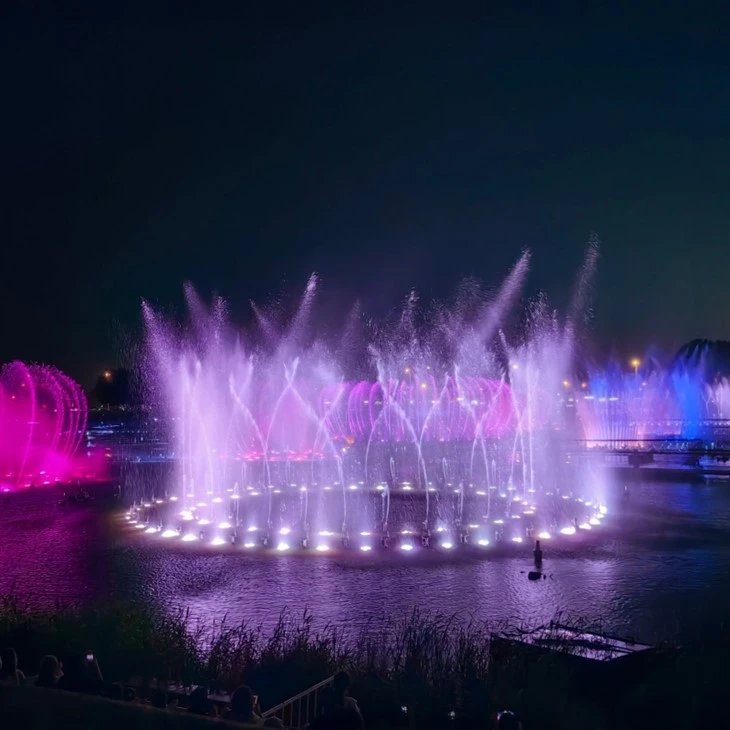
Large Musical Fountain
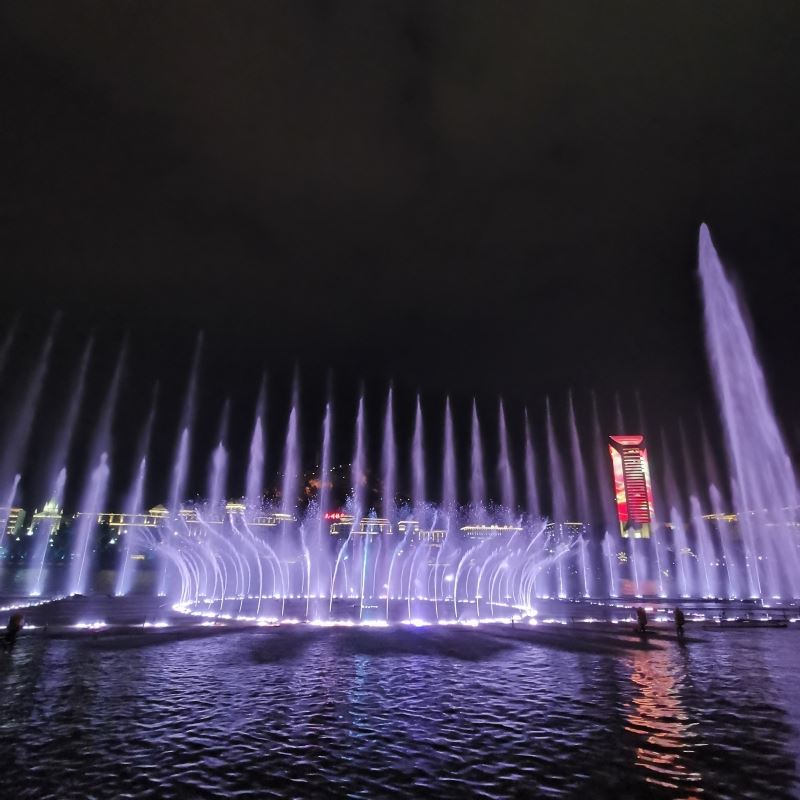
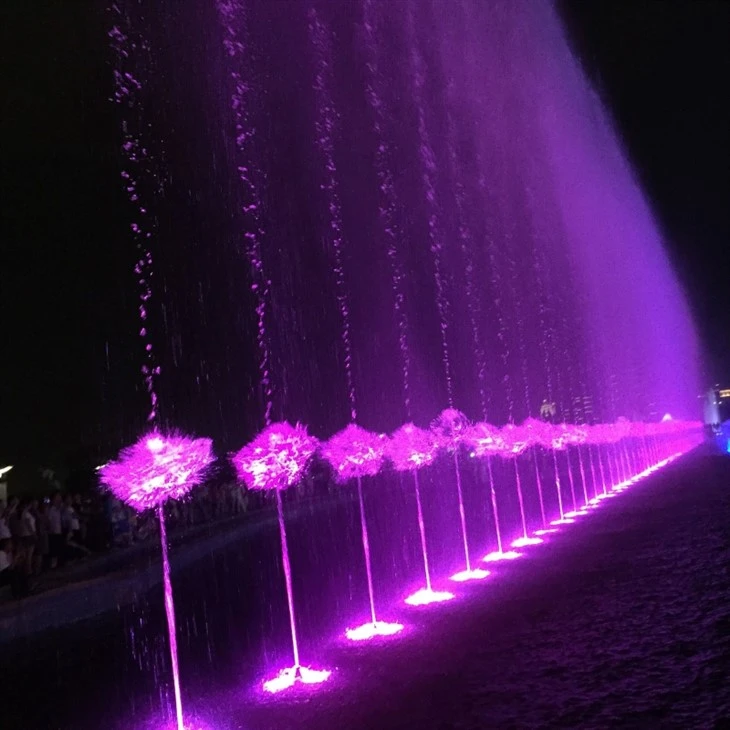
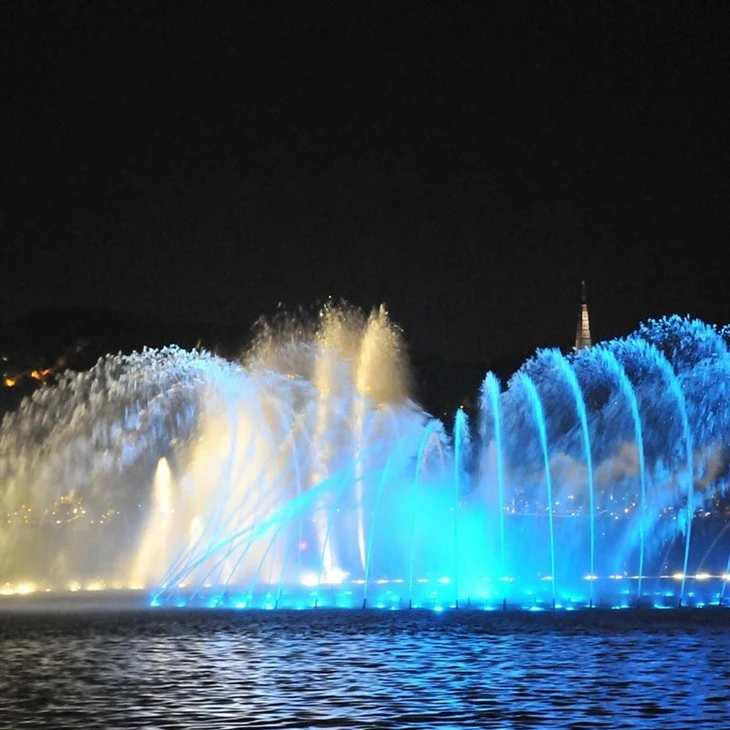
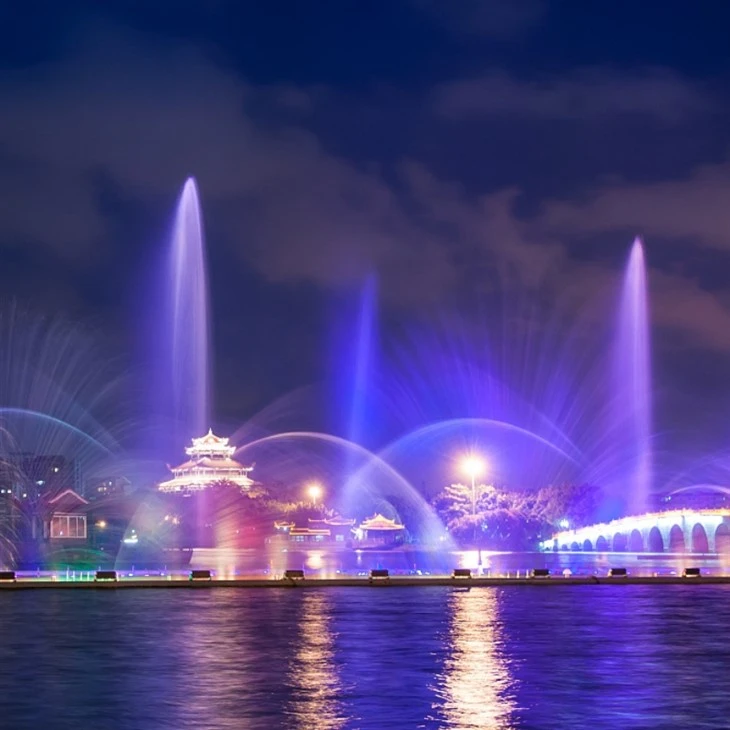
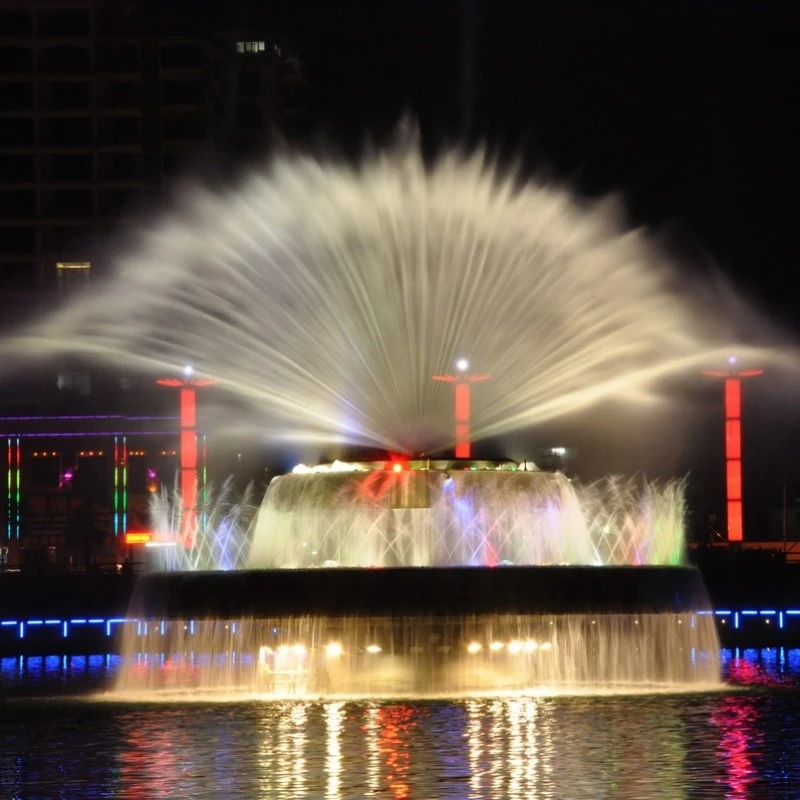
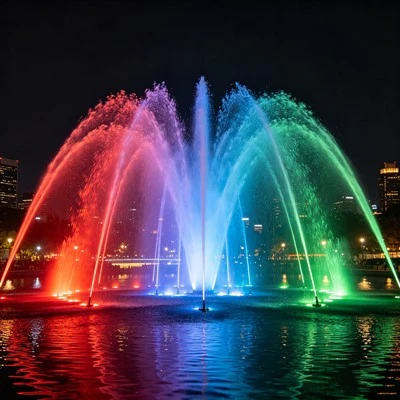
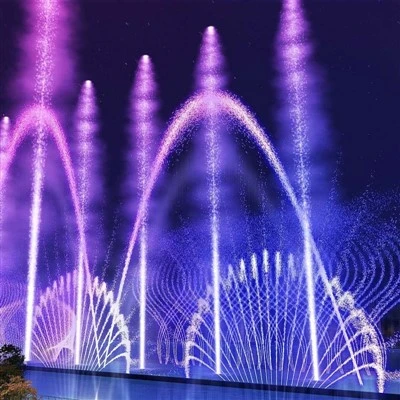
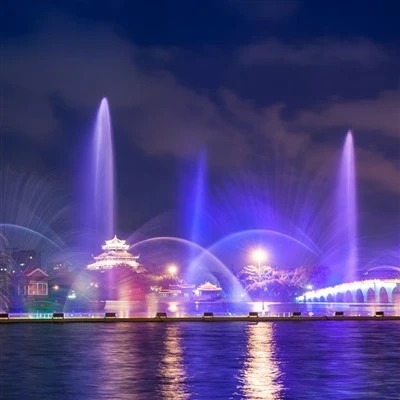
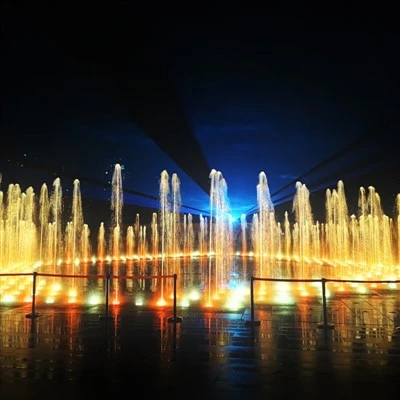
A large-scale musical fountain is a water feature designed for aesthetic appeal that uses a control system to synchronize water patterns, lighting, and music, creating a three-dimensional dynamic artistic effect. It is primarily used in large plazas, theme parks, artificial lakes, and similar venues. Its operating principles include sound-control technology, variable-frequency drive control of pump pressure, MIDI music programming, and real-time sound-control systems, enabling precise synchronization between water jet height, shape, and musical rhythm.
Musical fountains typically consist of a steel platform, a combination of nozzles, a sound-light-electricity control system, and landscape lighting. Some projects feature a 360-degree panoramic design that integrates architectural projections with natural elements. Smart musical fountains incorporate AI technology, the Internet of Things (IoT), and sensors to dynamically adjust water patterns and lighting in response to the environment and audience interaction, while also offering remote monitoring and intelligent maintenance capabilities.
Large-scale musical performance fountains build upon program-controlled fountains by adding a music control system. Computers recognize, decode, and encode audio and MIDI signals, ultimately outputting the signals to the control system. This ensures that the fountain's patterns and lighting changes remain synchronized with the music, achieving a perfect fusion of water patterns, lighting, and color variations with the emotional tone of the music. As a result, the fountain performance becomes more vivid, richer in meaning, and better embodies the art of water.
Large-scale musical fountains can adapt to the rising and falling rhythms of the music. Users can create their own music programs in the editing interface. The playback system ensures a unified and synchronized presentation of music, water, and lighting ambiance. Through the program control system and music control system, music is programmed so that the fountain's patterns, melodies, and lighting synchronize to produce ever-changing water displays that reflect the music's essence and theme.
Large-scale musical fountains utilize the physical waveforms of music files, dividing them into several musical segments with a precision of up to ten milliseconds. They automatically identify the basic emotional characteristics of the music-such as awe, longing, lyricism, joy, passion, sorrow, cheerfulness, and enthusiasm-and convert them into control signals. After synchronization processing, these signals are output via a signal output card to specific peripheral control units, which then control submersible pumps, solenoid valves, underwater colored lights, and variable frequency drives, thereby seamlessly integrating visual and auditory experiences. When people perceive various sounds, they unconsciously associate these auditory sensations with sensations from other non-auditory senses. This phenomenon is known as synesthesia, which is a form of heterogeneous, heterogeneous, multi-uniform isomorphic correspondence. Generally speaking, notes in the high-pitched range are
Often associated with bright visual impressions and positive or joyful emotional states, while notes in the low-pitched range are often associated with dim visual impressions and melancholic or sorrowful emotional states; a gentle rhythm tends to evoke a sense of open space or a relatively calm mood, whereas a rapid rhythm tends to create a feeling of confined space and restlessness, among other effects. The choreography of fountain performances is based on synesthesia to configure various water patterns. Much like directing a dance performance, to ensure a successful show, the director must consider what postures and movements the dancers will use to express the emotional appeal of the music.
To create visually stunning effects in a large-scale musical fountain, the key is to synchronize the movement of the water jets with the rhythm of the music, creating a water display with a rhythmic pattern that alternates between fast and slow, high and low. In practice, the process generally involves the following steps:
Step 1: The music signal is received
The music can come from live playback equipment or pre-recorded audio files. It is transmitted to the fountain controller via the audio system and serves as the "conductor's score" for the entire performance.
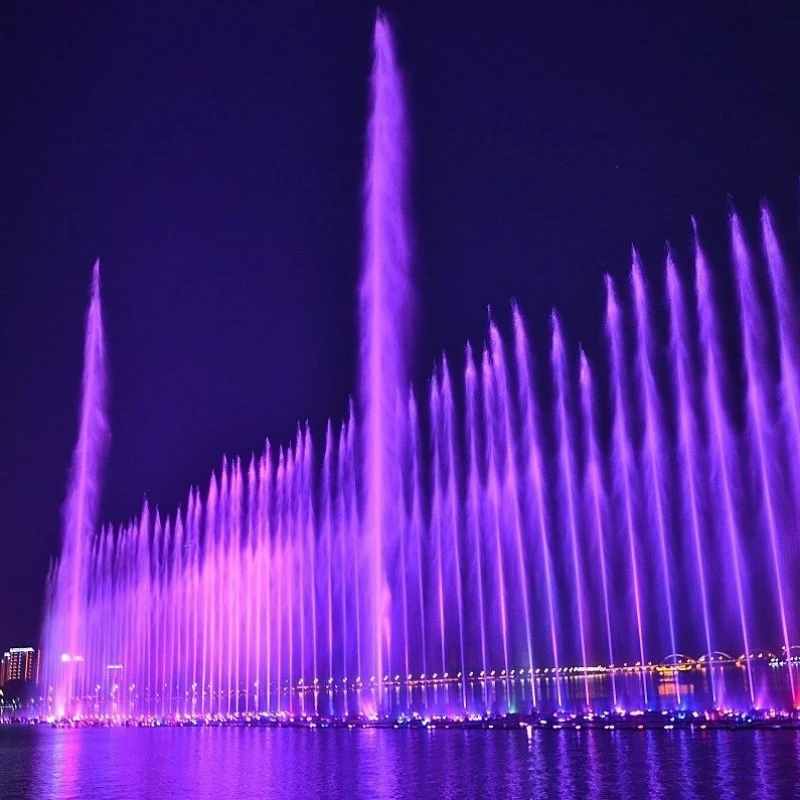
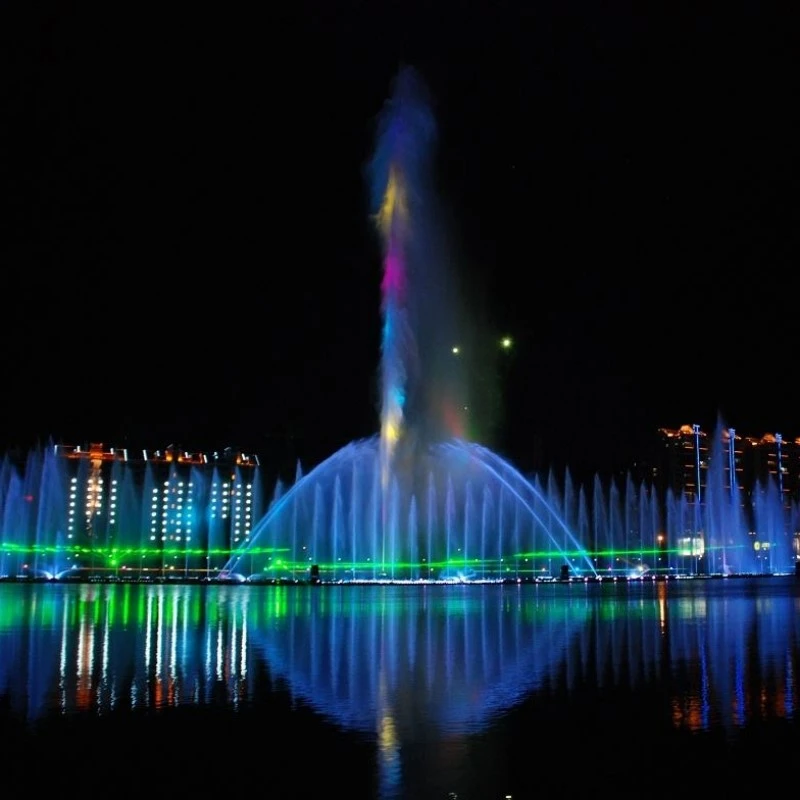
Step 2: The controller analyzes the audio
The system extracts key information from the music-such as rhythmic points, dynamics, and tempo-and converts this data into control commands that determine how the pumps operate and how the nozzles discharge water.
Step 3: The preset program runs
Based on the changes in the music's rhythm, the control system activates the corresponding fountain and lighting programs. For example, when the tempo speeds up, the water jets shoot higher and become denser; when the tempo slows down, the jets lower and become sparser, with the entire display following the ebb and flow of the music.
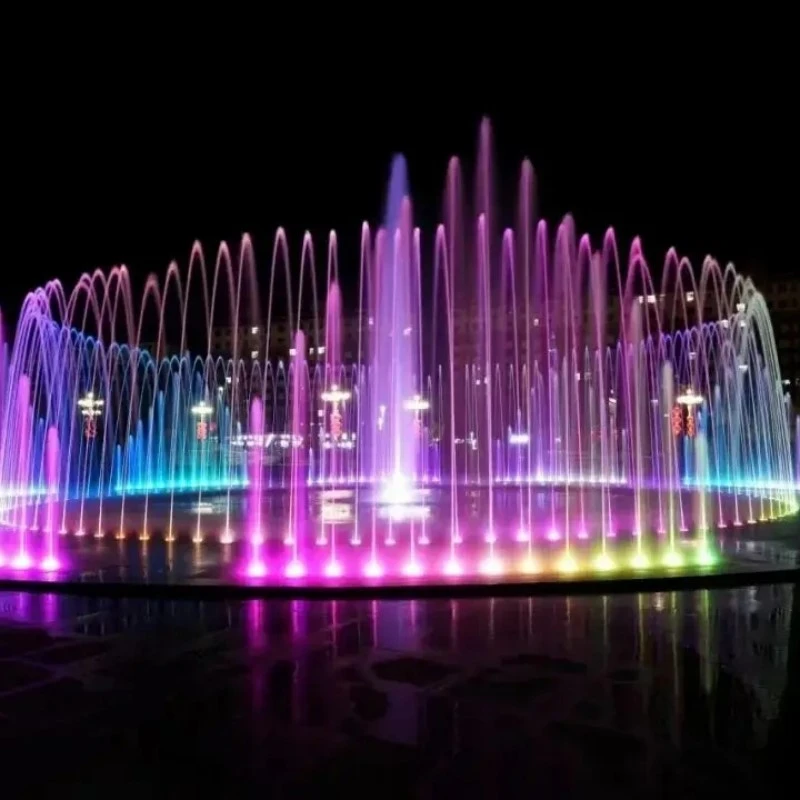
Step 4: Real-time adjustments (depending on the system's capabilities)
Some higher-end fountain systems can fine-tune water patterns and lighting on the fly based on the on-site atmosphere or performance requirements, and can even interact with the audience-rather than simply playing a rigid loop.
Step 5: Lighting changes in sync with the water display
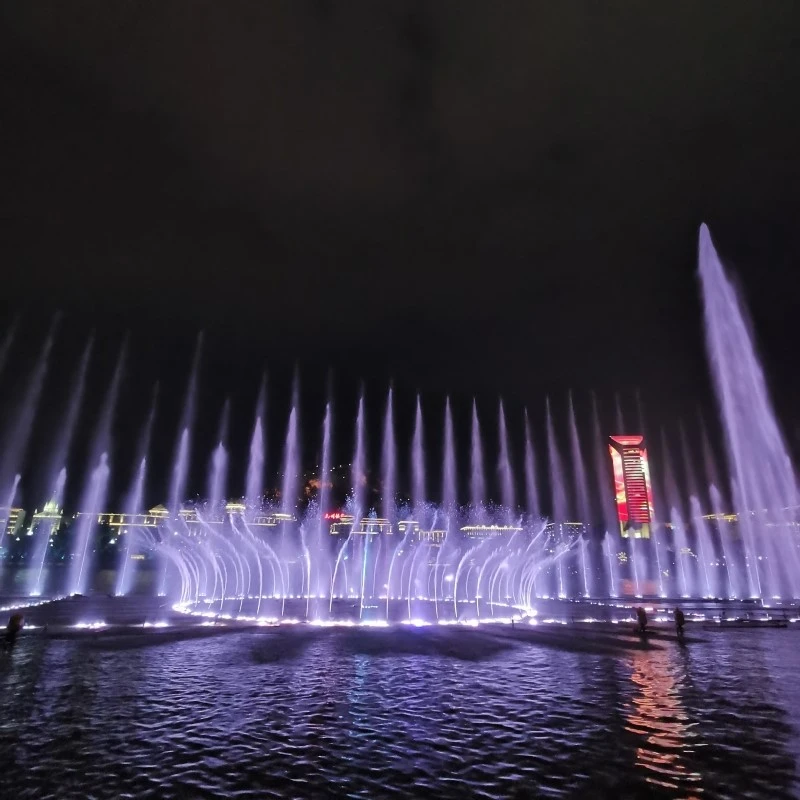
The lighting is not operated independently but synchronizes with the height and shape of the water jets-illuminating when needed and changing colors as required. This creates colorful water curtains or multi-layered light and shadow effects, significantly enhancing the visual appeal.
Hot Tags: large musical fountain, China large musical fountain manufacturers, factory
You Might Also Like
Send Inquiry