







Low Voltage Fountain

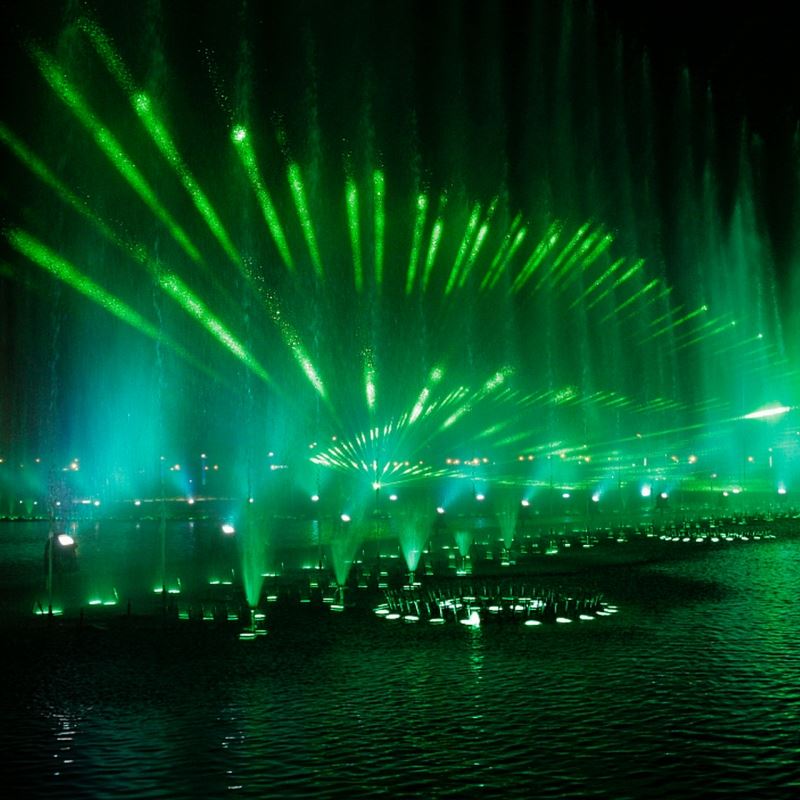
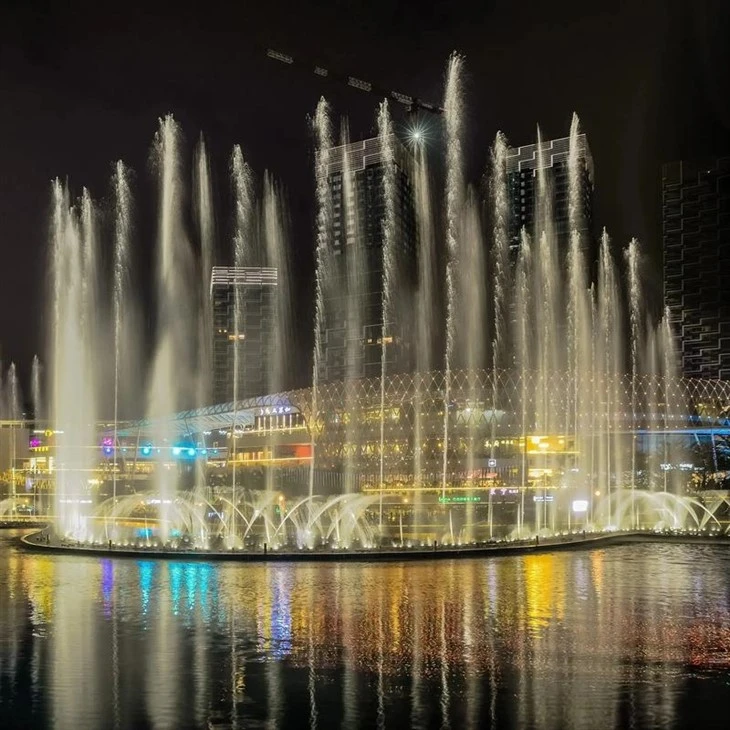
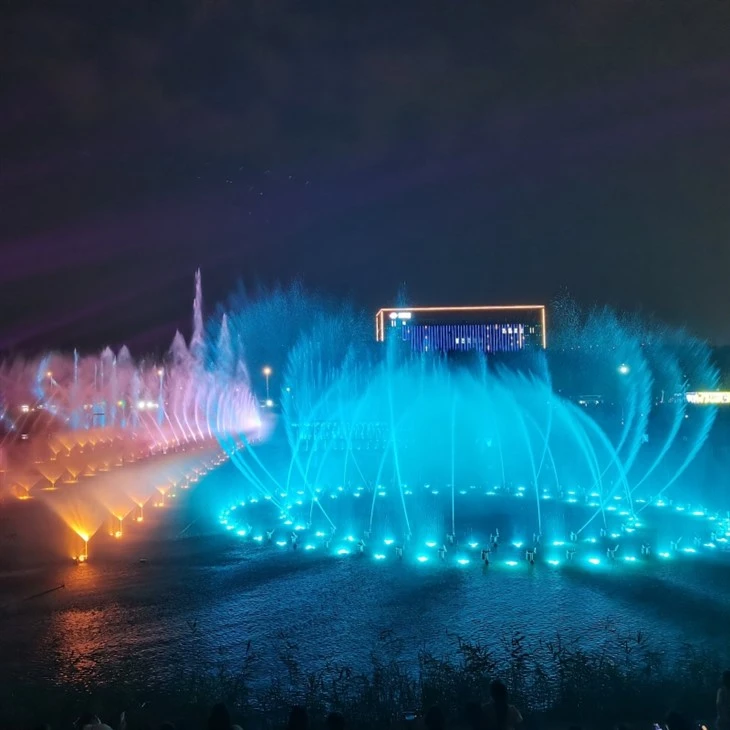
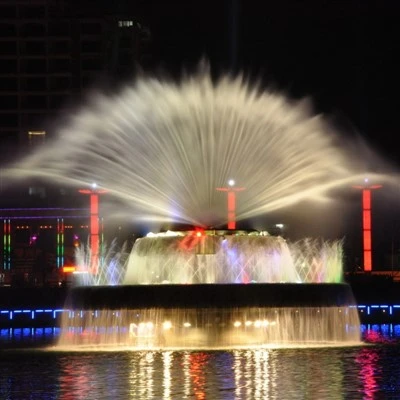
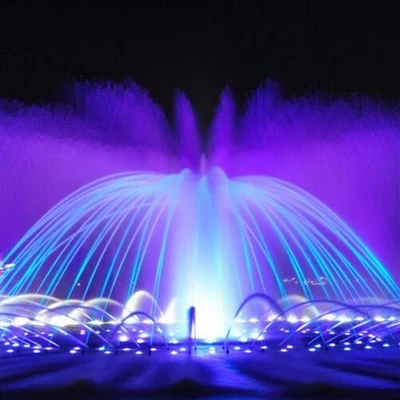
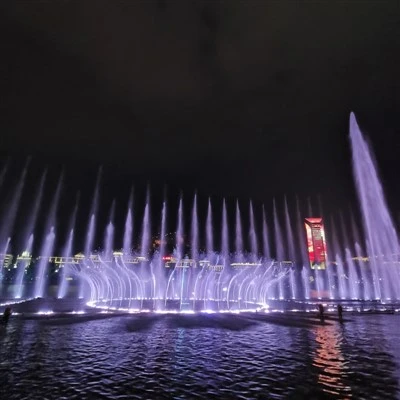
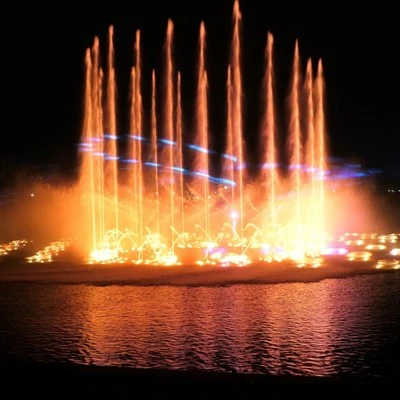
Low-pressure fountains are renowned for their compact, elegant design and varied water displays, making them ideal for all types of landscape decoration. These fountains are fully customizable, featuring solid brass nozzles paired with stainless steel piping, waterproof cables, and computerized control systems-ensuring both safety and aesthetic appeal. They also come equipped with specialized fountain pumps that undergo rigorous factory testing, offering an attractive yet affordable solution. Hebei Mingchuang Landscape Engineering Co., Ltd. specializes in providing free design and construction services, backed by reliable after-sales support.
From the perspective of pressure parameters, the core components of a low-pressure fountain follow a clear logical hierarchy. The system originates from the water source itself, with energy supplied by power equipment such as submersible pumps or centrifugal pumps. The selection of the pump directly corresponds to the operational requirements of low-pressure systems, with its head and flow rate parameters precisely controlled within the low-pressure range. Energy is transmitted through a network of pipes; low-pressure conditions allow for the use of specific pipe materials such as UPVC, which have different requirements for pressure resistance and corrosion resistance compared to high-pressure systems.
Centered on this key characteristic of low pressure, a series of boundary conditions for engineering implementation emerge. Regarding circulating water treatment, the relatively small jet drop results in lower droplet atomization, which to some extent affects the humidity distribution of the air near the pool and has a subtle impact on water evaporation rates. In terms of safety standards, lower pressure reduces the risk level associated with accidental pipe ruptures, thereby influencing the design criteria for protective measures. Energy consumption is directly related to the system's operating pressure; low pressure implies that the pattern of electrical energy consumption per unit time has its own distinct characteristics when achieving a specific water form.
The construction of low-pressure fountains is a systematic process that begins with specific water pressure parameters and progresses step by step toward the final visual expression. Its technical essence lies in the controlled generation of artistic water features through the synergistic interaction of power equipment, structural design, and program control, all within defined pressure constraints.
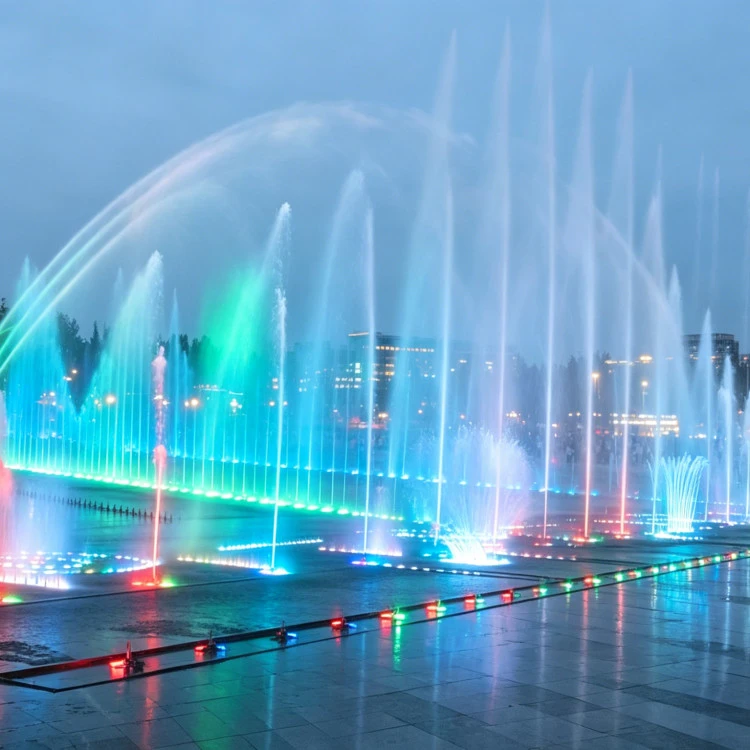
Key Advantages of Low-Voltage Fountains: Why Are They Safer?
This is particularly important in public spaces with heavy foot traffic where children often play.

1. Completely Eliminates the Risk of Electric Shock: Safety is the greatest advantage. "Submersible pumps with voltages exceeding 12V are prohibited in dry fountains," requiring the use of safe extra-low voltage power supply. Low-voltage systems eliminate high voltage at the source, minimizing the risk of electric shock and ensuring personal safety-a fundamental safeguard for life.
2. Enabling Fun Water Interaction: Precisely because of this safety, people can approach and play with the water worry-free, making "water-based" interactive experiences possible.
3. Greater Energy Efficiency and Environmental Friendliness: Low-voltage systems typically utilize high-efficiency technologies such as rare-earth permanent magnets, achieving approximately 25% higher efficiency than traditional high-voltage pumps and reducing energy consumption by 20%–40%. Combined with water recirculation and treatment technology, water savings can reach 60%. In settings requiring long-term operation, such as parks and communities, this results in significant savings on operating costs.
4. Stable and Durable Equipment: Due to their lower operating voltage and minimal heat generation, low-voltage components have a lower failure rate. Pumps and controllers often feature a modular design, further enhancing system reliability and extending overall service life.
Hot Tags: low voltage fountain, China low voltage fountain manufacturers, factory, Artificial Lake Musical Fountain, Dry Musical Fountain, Low Voltage Pump Fountain, Musical Fountain Light Show, Pneumatic Fountain with Flame Effect, Square Dry Fountain
Previous
Square Dry FountainYou Might Also Like
Send Inquiry